Petite Sirah
The Wine Club · Grape Discovery Masterclass

Petite Sirah

Small berry. Enormous wine. The red that refuses to be ignoredRhône Valley, France  ·  19th century — bred in the Rhône Valley by French botanist Henri Durif in the 1870s as a cross of Syrah and the obscure Peloursin variety. Brought to California in the 1880s where it found its true home and its true identity.
The Origin Story

The name is a lie. There is nothing petite about Petite Sirah. The berries are small — that much is true — but small berries mean thick skins, and thick skins mean tannin, colour, and concentration at levels that few red grapes anywhere in the world can match. A glass of Petite Sirah stains.

The grape was bred in the Rhône Valley in the 1870s by French botanist Henri Durif — a cross of Syrah and the obscure Peloursin variety, intended to produce a disease-resistant alternative to the region's established varieties. Durif, as it was known in France, never caught on in its homeland. It was brought to California in the 1880s, renamed, and largely forgotten as a blending grape — valued for its extraordinary colour and structural density, used anonymously to deepen thin wines, and never considered worthy of bottling on its own.

Prohibition accelerated the neglect. By the mid-20th century Petite Sirah survived mainly in old mixed-black vineyards, its identity blurred into jug wine blends. The revival came slowly — a handful of California producers in the 1960s and 70s who recognised what the old vines were producing and began taking it seriously.

What they found was a grape of remarkable aging potential and genuine complexity: inky, structured, and deeply flavoured in a way that rewards patience and demands food. It remains one of wine's great underdogs — a grape with Syrah's DNA, California's history, and a character entirely its own.

Tasting Profile
BodyFullAcidityMedium
BlueberryBlackberryDark PlumGraphiteBlack PepperDark Chocolate

Petite Sirah produces some of the most intensely structured reds in the world — inky, almost opaque in colour, with blueberry and blackberry fruit, a streak of graphite minerality, dark chocolate richness on the mid-palate, and a finish of cracked black pepper that lingers long after the glass is empty. The tannins are the defining characteristic — firm, grippy, and abundant, softening with food and time but never fully disappearing.

The acidity is moderate, which gives the wine enough freshness to balance its considerable weight. This is not a wine for the faint-hearted or the impatient. It demands rich food, rewards patience, and delivers a depth of flavour that few reds at any price point can match.

In Comparison
If you like
Malbec
Deep colour, velvety tannins, and dark plum fruit with a softness that makes it immediately approachable. Argentina transformed it from a blending grape into one of the world's most reliably satisfying reds.
Try
Petite Sirah
Darker, inkier, and more tannic than Malbec or Cabernet — blueberry, dark chocolate, cracked pepper. Built for food, built for time, built to last.
This is your lechon de leche wine. The tannins need fat to soften, the dark fruit needs richness to match, and the wine needs a table with food serious enough to hold its own. Also exceptional with grilled liempo, beef tapa, and anything slow-roasted over charcoal.
In Our Portfolio
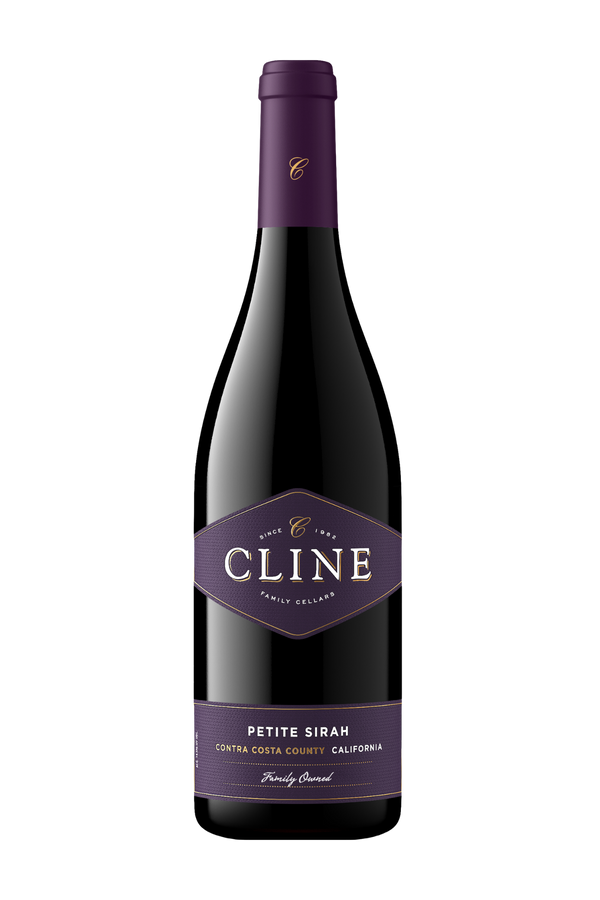
Cline Petite Sirah 2019
Quick View
Cline Cline Petite Sirah 2019 ₱1,350.00
View & Shop
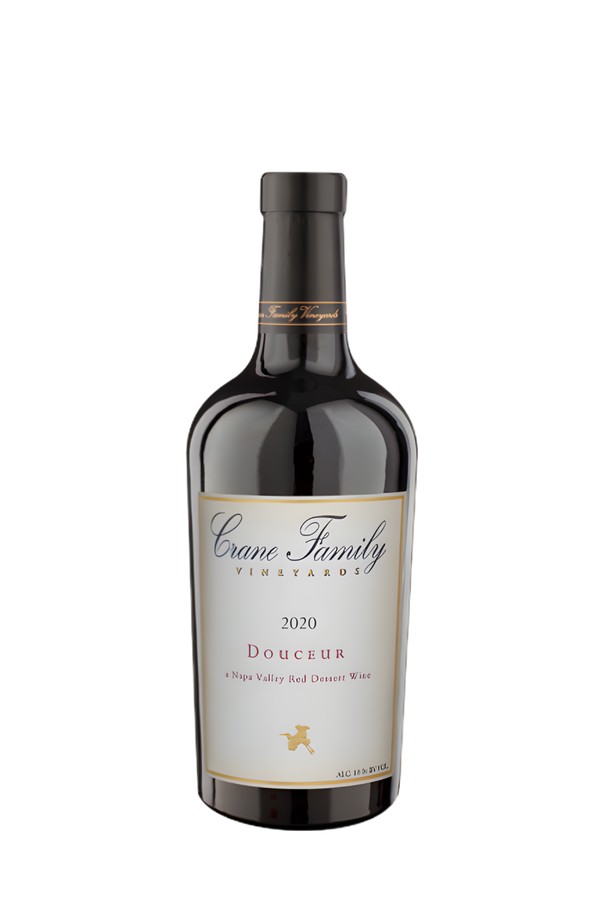
Douceur Red Dessert Wine 2020
Quick View
Crane Family Douceur Red Dessert Wine 2020 ₱1,500.00
View & Shop